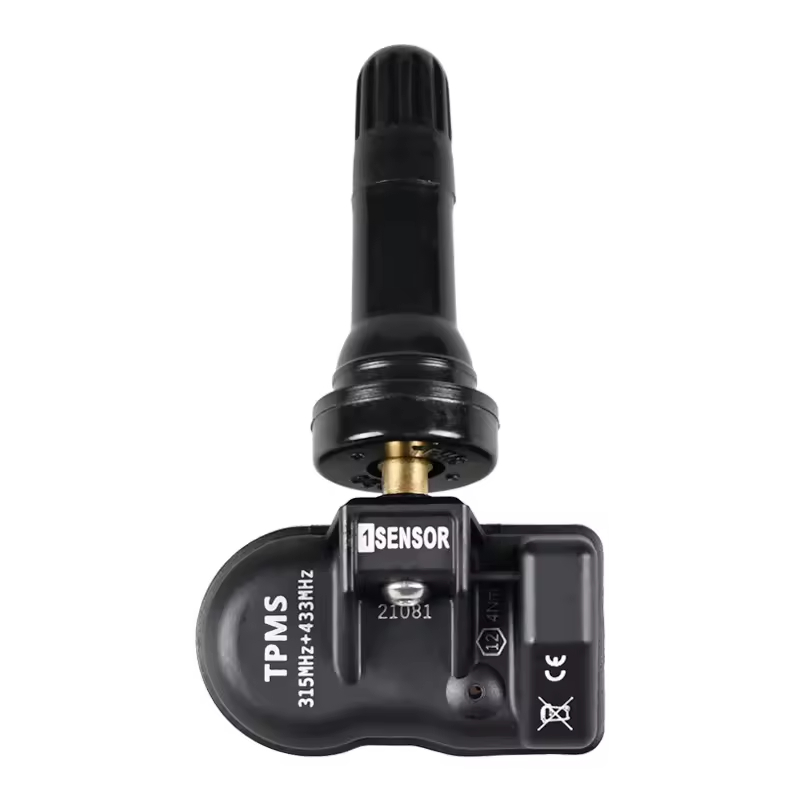
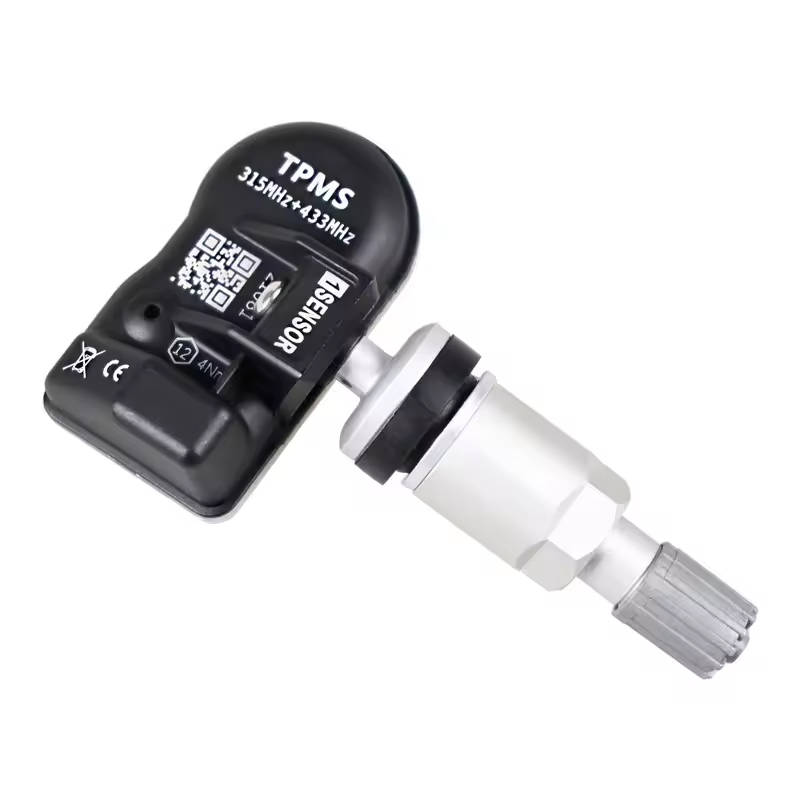
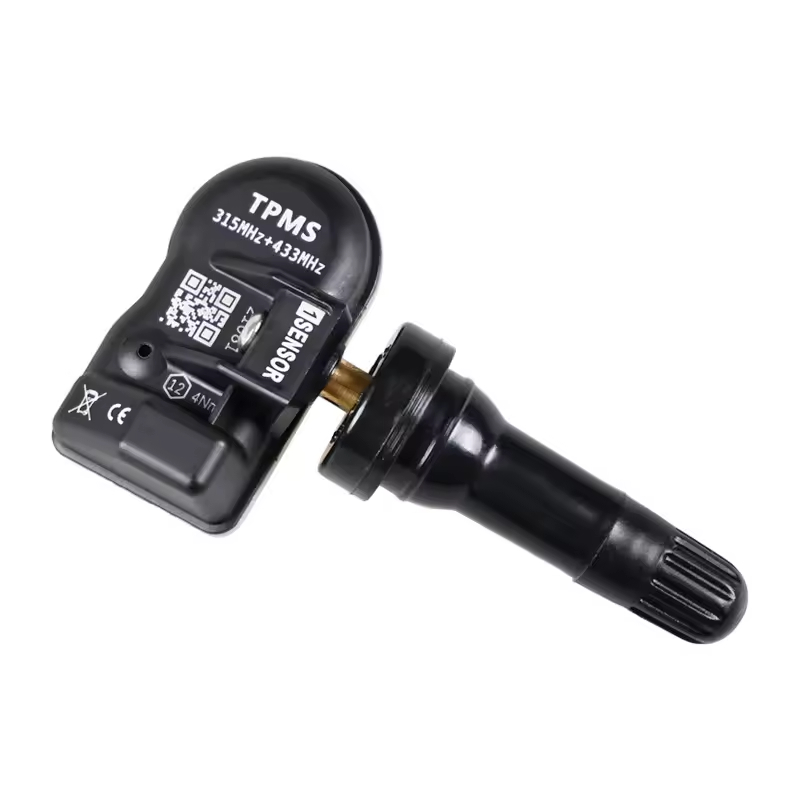
Universal TPMS Sensor
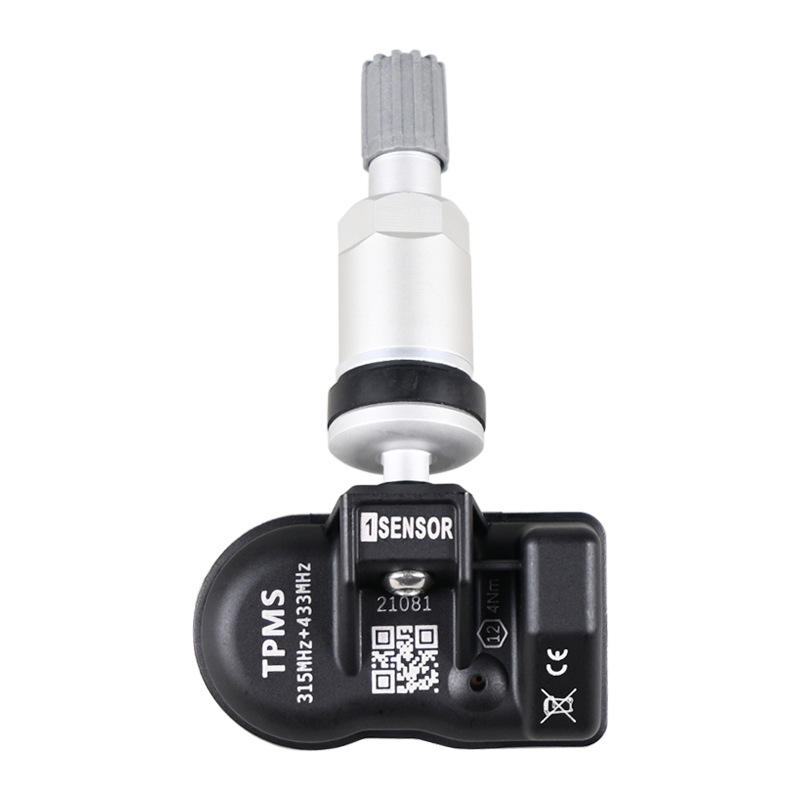
The universal TPMS sensor is a tire pressure sensor designed to replace the original equipment manufacturer (OEM) sensor in a wide range of vehicle models. Unlike an “OE-specific” sensor, which is made for a single car brand or model, a universal sensor can be programmed to mimic the specifications of thousands of different OEM sensors.
- Key Features:
Cost-Effective: Typically cheaper than buying multiple OEM TPMS sensors for different cars.
Inventory Reduction: Mechanics can stock fewer parts, as one sensor fits many cars.
Dual Frequency: Most modern universal TPMS sensors support both 315 MHz and 433 MHz frequencies.
Programmable: Requires a TPMS Programming Tool to write the correct ID and vehicle protocol before installation. - Types of Universal TPMS Sensors:
Cloneable: Can copy the ID directly from the old sensor.
Configurable: The user program the sensor according to using the vehicle’s make, model, and year.
Multi-Protocol: Supports multiple communication protocols. - Installation Workflow:
1.Remove the old sensor from the valve stem.
2.Install the universal sensor onto the wheel.
3.Program the sensor using a TPMS Tool (write the correct ID/frequency).
4.Relearn the sensor to the vehicle’s ECU (via OBD or driving). - Best Materials: The universal tire pressure sensor featureing an AutoChip chipset and a Maxell battery, it offers a tire pressure accuracy of less than ±0.1 Bar and a temperature precision of ±1℃, with a service life of up to 5-6 years