
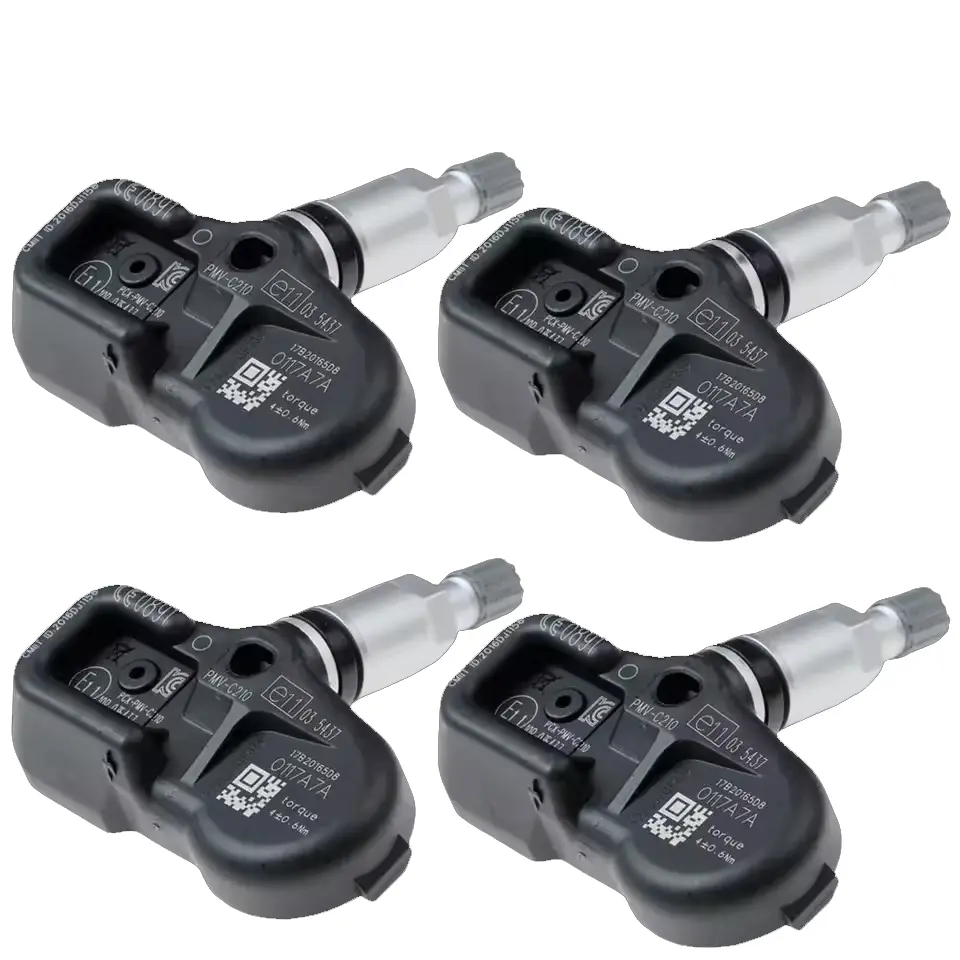
Most TPMS sensors last about 5–10 years. Actual service life varies with battery quality, transmission frequency, temperature, daily driving time, sensor design, and the number of abnormal-pressure events. Because most OEM-style TPMS sensors are sealed, the complete sensor is normally replaced when its battery reaches the end of its life.
What determines how long TPMS sensors last?
A TPMS sensor measures tire pressure and temperature, detects vehicle motion, and transmits data to a compatible receiver. Every measurement and radio transmission consumes energy, so battery life depends on the complete hardware and software design rather than battery capacity alone.
| Factor | How it affects service life |
|---|---|
| Battery and chipset quality | Automotive-grade, low-power components support stable operation and efficient energy use. |
| Transmission interval | More frequent radio transmissions use more battery power. |
| Daily vehicle use | Longer driving time generally increases measurement and transmission activity. |
| Temperature | Very high or low temperatures can affect battery performance and electronic components. |
| Alert frequency | Repeated abnormal-pressure events can trigger additional transmissions. |
| Installation and environment | Valve damage, moisture, impact, and incorrect service procedures can shorten useful life. |
Automotive-grade chipset and battery
The chipset controls pressure and temperature measurement, motion detection, and radio transmission. A low-power automotive-grade chipset and a battery selected for vehicle environments help the sensor operate reliably under vibration and changing temperatures. Battery capacity is important, but it must be considered together with the sensor firmware and transmission strategy.
Sensor transmission frequency
A TPMS sensor does not always transmit at the same interval. For Arvov Bluetooth TPMS configurations previously confirmed for truck applications, a typical strategy is every 2 minutes while driving normally, every 10 seconds when an abnormal condition is detected, and every 10 minutes while parked normally. Exact intervals depend on the selected sensor and project firmware.
When should a TPMS sensor be replaced?
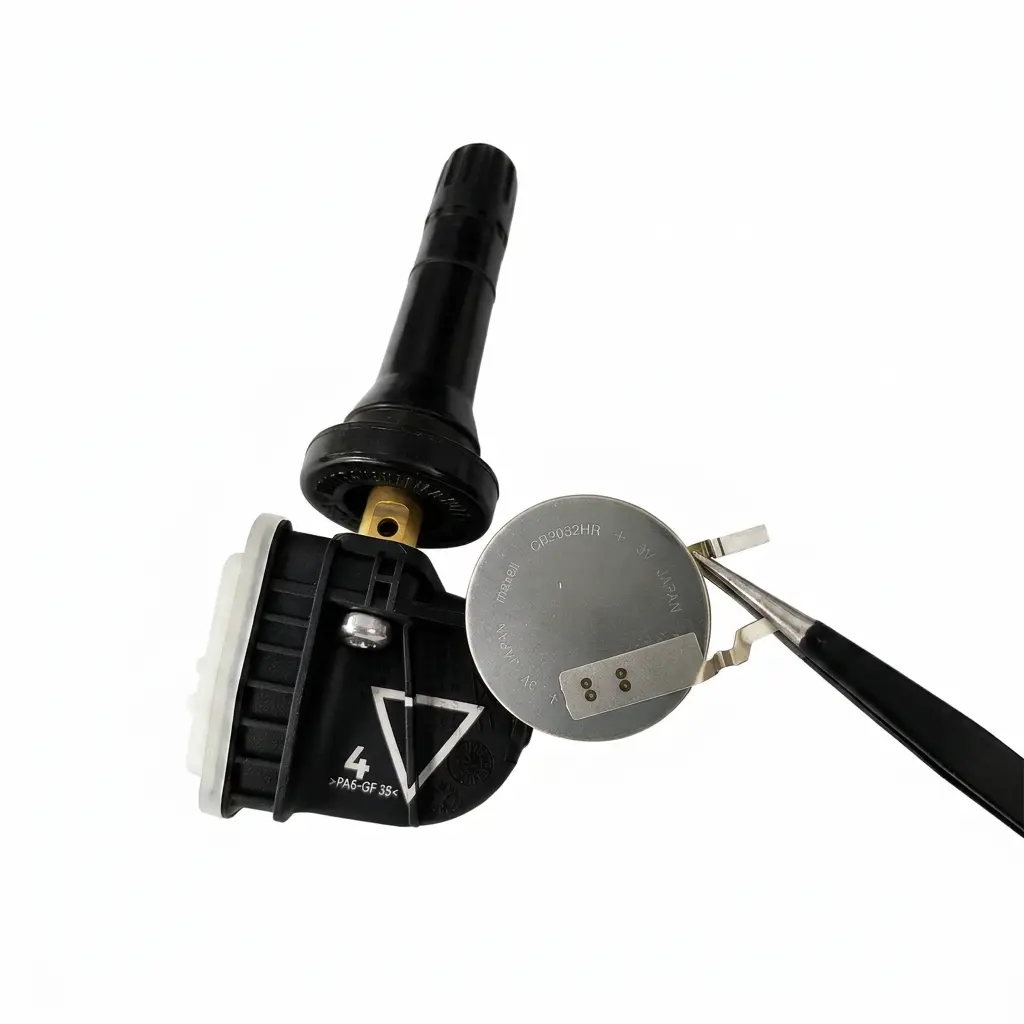
Replace or professionally inspect a sensor when it stops reporting, communicates intermittently, shows a low-battery warning where supported, has a damaged valve or housing, or fails a diagnostic test. A warning light can also be caused by low tire pressure, a receiver or relearn issue, or an incompatible replacement sensor, so the cause should be confirmed before replacement.
- Check sensor status during tire service.
- Record sensor age when installation information is available.
- Use the correct relearn or programming process after replacement.
- Follow the vehicle and tire manufacturer’s service instructions.
How Arvov supports long-life TPMS performance
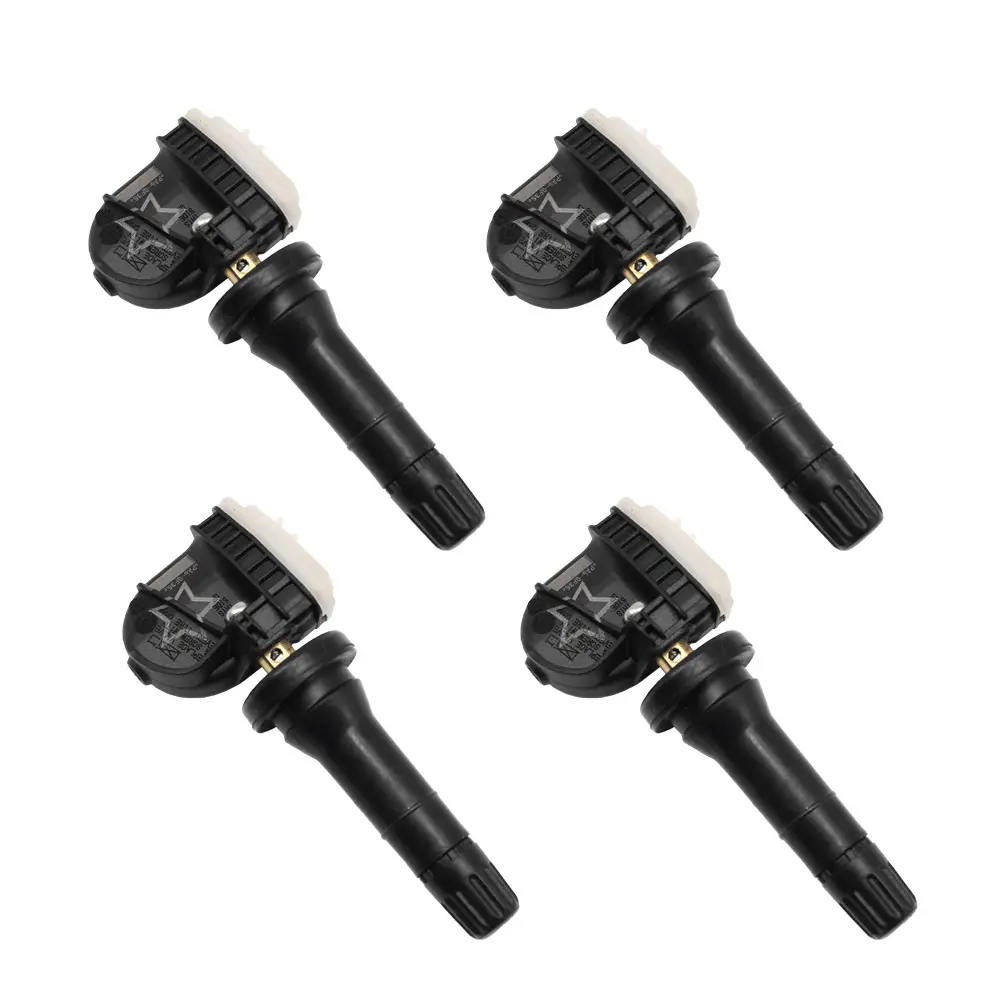
Arvov supplies OEM-style and universal programmable TPMS sensors using automotive-grade components selected for stable vehicle operation. Battery life remains conditional on the sensor model, firmware, vehicle use, temperature, and operating environment, so project-specific specifications should be reviewed before making a service-life commitment.
Need an OEM or universal TPMS solution?
Talk with the Arvov team about vehicle coverage, sensor programming, battery specifications, and OEM TPMS customization.
FAQ
How long do TPMS sensors last?
Most TPMS sensors last approximately 5–10 years, but temperature, daily driving time, battery quality, transmission frequency, and sensor design affect the actual result.
Can the battery in a TPMS sensor be replaced?
Most OEM-style TPMS sensors are sealed units. When the battery reaches the end of its life, the sensor is normally replaced as a complete unit.
Why can a TPMS sensor battery run out faster?
Long daily driving hours, frequent abnormal-pressure alerts, extreme temperatures, and greater transmission activity can reduce battery life.
Related resources: Learn about TPMS replacement options, compare sensor installation types, or ask Arvov about compatibility.